 AJJAYA Handmade Ethical Clothing, Natural Fabrics, Earthy Clothing, Eco-Friendly Clothing, Womens Clothing, Shaman Clothing, Family-Owned Clothing Brand Committed to Eco-Conscious Values,
Sustainable and Ethical Practices, For The Benefit of Humans, Animals and Our Planet
ALLWEAR Beautifully Made, Wildly Comfortable, Wide-Leg Freedom, Zero Toxins, Women, Men, Organic Bamboo, Organic Cotton, Exceptionally Soft, Hypoallergenic, Strong Durability, Organic Trousers, Socks, Organic Shirt Jacket, Non Toxic Essentials, Made With Premium Organic Cotton, Organic Joggers, Build a Healthy Wardrobe
AMREN TULANO Buying Sustainable Fashion is One of The Things we All Can do to Make a Positive Impact on The Climate Crisis. Sustainable and Recycled Materials, Fair Trade, Small Scale Local Production, Make a Difference
ASTRO COUTURE Couture Fashion, Combines Celestial-Inspired Designed, Channeling The Essence of The Zodiac, Into Fashion, Empowering People to Embrace Who They Are, a Powerful Expression of Individuality, Creativity, and Purpose, While Promoting Self-Expression, Sustainability, Comfort, For a More, Conscious World
BABY NATUROPATHICS Organic Cotton Baby Clothes With Certified Organic Dyes. Exquisitely Embroidered. Free Delivery With Minimum Order
BAMBOOZLD Ethically Made, Aussie-Designed, Sustainable, Ultra-Soft, and Packed With Personality and Fun, Bamboo Socks, Sleepwear, Underwear, For Men and Woman
BEAUMONT ORGANIC Beaumont Organic Dsigns and Creates Contemporary Conscious Clothing, Responsibly, Using Luxury Fabrics, For Modern Women, An International Ethical Women's Wear Brand, That Combines Classic Style, With a Contemporary Twist, Teaming Unique Silhouettes, With Contrasting Luxury Eco-Fabrics
BLUE CANOE Always Organic, a Sustainable Fashion Brand You Can Trust, Tops, Bottoms, Dresses, Lounge/Sleep, Bras, Underwear, Good For Your Body and Your Planet, The Finest Quality Fibers Since 1994
BOODY
Sustainable, Soft, and Ethically Crafted Bamboo Clothing, For Women, Men and Babies, Make Yourself Comfortable, Underwear, Loungewear, Apparel and More, Certified Organically Grown Bamboo
BROOK THERE Organic Lingerie, Underwear and Bras, Made in USA, Minimalist, Lingerie and Undergarments, Breathable, Soft, and Stretchy Comfortable, Ethically Made, Made of Nature
BROTHERS WE STAND Ethical Men's Clothing, Selected With Style, Crafted Collections, of Organic and Ethically Made, Our Aim is to, Empower You, to Take a Stand, For The Things, That Matter to You, The Best Collections, of Sustainably Made Menswear
BY NATURE Organic Underwear is Crafted From Organic Cotton, Bamboo, Hemp, Comfortable Throughout The Day, If You Care About The Environment, Fair Trade, and Animal Welfare, Embrace Eco-Friendly Fashion, Yoga Clothes, Pyjamas, Tights and Leggings, For The Sensitive Skins of Children and Babies, No Harmful Chemicals
CARRY COURAGE Handcrafted Cork Bags & Accessories, Beautifuly Sustainable, Cork Bags Made to Inspire, Artisan Made, Vegan Leather Bag, Exterior Made With Vegan Cork Fabric, Naturally Anti-Microbial and Water-Resistant, We Care About Making Our Earth, a Better Place For The Next Generation
CONSCIOUS STEP Sustainable and Ethical Socks, Consciously Created For a Better World, Fair Trade, Organic Cotton, Fibers, Recycled Materials, Comfortable, Durable, and Stylish, Cozy Beautiful Socks, We All Have The Power to Affect Change, With Our Actions, Every Pair Donates to 1 of 22 Nonprofit Partners
COTTONIQUE
Certified Organic. Carefully Made,
GOTS Standards From Fiber to Final Garment. Organic Cotton Processed Under Controlled Standards. Woman, Men, Allergy-Free Close Neck Knitted Sweatshirt, World’s First Microbiome Certified Underwear for Women, Hypoallergenic Tops to Comfortable Bottoms
CRANN ORGANIC Organic Children's Clothing, Our 100% Organic Kids Clothes, Eco-Friendly Materials, Implementing Ethical Production Practices, Reducing Environmental Impact, Ensuring Durability, Using Non-Toxic Dyes and Finishes, and Obtaining Certifications
DEDICATED Ethical Responsibility, Fashion-Forward Design, Making Clothes in a Better Way, Always Made With Organic Cotton, Natural or Recycled Fibers, Sustainable, Women's, Children's, Men's, Clothing That Are Hip, Affordable, and Wearable, Shirts, Coats, Jackets, Windbreakers, And so Much More
DANISH WOOLEN DELIGHT Importing Certified Organic Woolens and Cotton, From Europe, For The Entire Family
DASH HEMP SANTA CRUZ Upscale Hemp Clothing, Including 100% Hemp Jeans, Hand Loomed Shirts, Tops, and More
EARTHSAKE Organic Cotton Flannel Pajamas, Refined Feminine Fit, Ultra-Soft Brushed Flannel are Perfection
ECO ESSENTIALS Hemp V-neck T-Shirt, Hemp Ribbed Tank Top, Hemp Scoop Neck Tee, Heavy Hemp Leggings, Hemp Jersey Drawstring Pants, Hemp Terry Sweatpants, Hemp Terry Hoodie, Hemp Yoga Pants, Hemp Terry Sweatshirt, Hemp Active Shorts, Hemp Cargo Pants, Hemp Ankle Socks, Hemp Boxers
ECO PERSONA Apparel & Clothing, Explore Our Carefully Curated Selection of Eco-Friendly Scarves, Sweaters, and Bags, Where Every Piece is Ethically Sourced, Crafted With Purpose, and Designed, Engineered For Beauty and Protecting The Planet, Where Ecology and Style Meets
ECONSCIOUS T-shirts, Hoodies, Hats, Bags Organic Cotton Honors Nature’s Wisdom, Supporting Organic Cotton is Among One of The Many Things we Can do to Register Our Vote For a Healthier Planet
ECOOPIA NATURALS Soft, Breathable, and Durable, Organic Cottons Are GOTS-Certified Feel The Difference, Not Just on Your Skin, But in Your Conscience Too, Unisex Organic Cotton Tee, Sweaters & Sweatshirts,
Organic V-Neck Top Crew Sweater, Ranger Shirt Organic Cotton, Cardigans & Jackets
ETHICAL CLOTHING Ethical Sustainable Organic Clothing,
Cardigan, French Terry Hoodie, Hoodie Dress, Coverall, Jumpsuit, Fulton Jogger, Zip Hoodie, Embroidered Ten T-Shirt, Legging, Classic Longsleeve, Relaxed Cropped T-Shirt, Blouss, French Terry Sweatshort, Socks, Trousers, Pyjamas, Bamboo Tops, Socks, Underwear
EVERLANE Emphasizes Timeless Style and Sustainable, The Cotton is Organically Farmed and Milled in Turkey, Using Indigo Flow Dyeing Methods to Reduce Water Consumption by 55%, Cotton Weekend Tee Dress, Cotton Open-Stitch Tank, Wide-Leg Pant, Short Sleeve Oxford Shirt, and Much More
FAERIE'S DANCE Stylish, Earth-Friendly and Organic Clothing, Lingerie & Intimates. Eco-Fashions from Panties to Formal Wear
FAIR HARBOR Comfortable, Versatile, and Eco-Friendly Men's Clothing, Organic and Sustainability, Men's Swim, Men's Tops, Crews, Hoodies, Sweatshirts, Pants, Flannels, Men's Shorts
FAIR INDIGO Womens, Mens, Kids, Accessories, Premium-Quality Organic T-shirts and Loungewear That Looks Good, Feels Good, and Does Good
FIREBIRD KIDS Organic Cotton Childrens Clothing, Certified Organic Materials, High-Quality, Soft, Stylish Clothes Your Children Will Want to Wear, Every Day, Stylish Clothes, 100% Organic, Heirloom-Quality Clothing, Exceptional Quality, we Craft Pieces That Children Love to Wear, and That Are Built to Last
GABRIELA HEARST Long Term and Sustainability. Timeless Craftsmanship & Sustainable Style. Sustainable Luxury Fashion, From Meticulously Crafted Dresses and Shoes to Accessories, A Brand That Reflects a Slower Pace and Process. There is a Purpose to Every Piece
GIRLFRIEND COLLECTIVE Sustainability, Made With Recycled Materials, Like Old Plastic Water Bottles, Ethically Made, Uses Eco-Friendly Dyes, and Responsible Water Recycling, Made From Recycled Materials, Sustainable and Compressive Activewear, Like The Dylan Bra, Clothes Made For Fresh Air and Open Trails
GLOBAL ORGANIC TEXTILE STANDARD Ecology and Social Responsibility, Designed to Raise Awareness About The Importance of Certified Organic Textiles
GODDESS GEAR Organic and Natural Fiber Women’s Apparel, Offering Flattering, Casual, Feminine Styles Produced in Denver, Colorado
HAPPY EARTH APPAREL Uses Sustainable Materials, Durable, Stylish, and Eco-Friendly Clothing, For Active Lifestyles, Organic Sweatshirt, Organic Leggings + Pants, Organic Activewear, Organic Shirts + Tops, Organic Dresses, Comfortwear, Organic Jackets, Bras, Your Planet, Your Choice, Nature-Inspired Clothing
HARVEST & MILL Organic Clothing, Grown and Sewn in The USA, Beyond Sustainable, Organic, Non Toxic, and Carbon Neutral, Clean and Ethical Practices, 100% Organic Cotton Tops, Crew Tee, Sweatpants, Shorts, Jogger Pants, and Much More
HEMP BLUE Sustainable Denim Made With Premium Hemp and Organic Cotton, Comfort, Quality, Wear Your Freedom, Live With Purpose, Consciously Crafted Built For Comfort, Durability, and Meaning, For Men and Woman
HEMPSMITH Durable Hemp Apparel, Discover Hemp Clothing, Where Sustainability Meets Style, Explore Our Collection of Quality Hemp Apparel, Designed to Last and Get Better With Time, Tees, Socks, Hats, Hoodies, Long Sleeves, Lounge Pants, Shorts, Button Downs
HUCKBERRY All 100% Organic Cotton, Boxer Briefs,
Pack Crew Socks, Apres Sashiko Pant, Cutter Overshirt, Ojai Chore Coat,
Jack Everyday Oxford Shirt, Utility Shirt, Vintage Machine Jersey T-Shirt,
Ojai Chore Coat, Inlet Knit Blazer
IMMACULATE VEGAN Women's Ethical & Sustainable Clothing,
Our Curated Selection, of Beautiful Vegan, Ethical and Sustainable Clothing, Made With Premium Vegan, and Eco Friendly Materials, Including Organic Cotton, Bamboo, Linen and Recycled Fabrics
INDUSTRY OF ALL NATIONS Non-toxic Clothing, Accessories and Objects For The Next Chapter of Humanity, 100% Organic Cotton, Co-Operative Made, Natural Dyes, With Ingredients Found in Nature, Unbleached, Made From Organic Cotton, Locally Grown in Tamil Nadu, India
INK FOREST Committed to Bringing Your Custom Designs to Life, Use 100% Water-Based Inks, Organic and Hemp Promotional Items
INDIGENOUS DESIGNS Organic Fair Trade Fashion, Eco-Friendly Ethically Made Clothing for Women and Men, Skillfully Created by Artisans in Peru
INDUSTRY OF ALL NATIONS T-shirt, Made From 100% Organic Cotton locally Grown in Tamil Nadu, India, Dipped 6 Times in a Fermented Natural Indigo Dye Vat to Achieve a ich Shade of Blue, Clean Crewneck Long Sleeve T-Shirt
INTERNATURAL Maggie's Organics Organic and Cotton Socks, Leggings, Tights, Scarves
JULIE MAY Skin-Friendly, Ethical, Designed for Sensitive Skin
No Synthetics, No Harsh Chemicals, No Exposed Elastics, Nickels Free,
Our Organic Pima Cotton Bras Are Free From Harsh Dyes, Synthtics, Exposed Elastics and Metal Wires, Making Them Ideal, For Eczema, Contact Dermatitis, and All Other Special Needs
JUNGMAVEN Women's Hemp Clothing, Made From a Lightweight, Buttery Hemp Blend, Perfectly Balanced With a Structured Yet Relaxed Fit—Classy Enough to Elevate, Comfy Enough to Unwind
JUNGLE VINE Eco-Friendly Purses, Purses Are The Ultimate in Eco-Friendly Fashion, Vegan, Zero-Waste, Organic, Compostable, Handmade Using 100% Sustainable Fiber From a Vine Pueraria Phaseoloides Plant, That Grows Without Cultivation, Irrigation, or Chemicals, The Fast-Growing Vine is a Renewable Resource
KASPER ORGANICS
Affordable Organic Cotton Clothing and Accessories for Men, Women, Kids. Tees, Tops, Sweats, Socks, and More
KENT
100% Organic Cotton Underwear, For Men and Women, Soft on Skin, Gentle on Planet, Womens Underwear, Bras, Basics, Breathable, Mens Briefs, Health-Conscious, Non-Toxic, Hypoallergenic, and do Not Contain Harmful Chemicals, Promoting Health and Well-Being
KNUETES Clothing Made from 100% Recycled Plastic Bottles, Polartec® Breathable, Moisture Control, Quick Dry
KOWTOW Organic Clothing, Dresses, Tops, Shirts, Pants, Jeans, Sustainable Clothing Will be Worn Again and Again, With Collections Offering Structured Organic Cotton Shirting to Relaxed Knitwear, Tailored Outerwear and Effortless Everyday Dresses, Clothing That Feels as Good as it Looks Effortless, Ethical, Elevated
LIBERTY CLOTHING STORE Hoodies, Sweatshirts, T-Shirts & Tank Tops, Plaid Shirts,
Long Sleeve Shirts, Jackets, Bottoms, Our Mission is to Produce Eco Friendly Clothing, That Inspire Consumers to Make Sustainable Choices, Preserve The Globe and Protect The Future of The Environment With Affordable Ethical Clothing
LIVE LIFE EVERYDAY An Inspirational and Eco-Friendly Clothing Brand, We use GOTS Certified Organic Cotton, Bamboo and Recycled Polyester in our T-shirts and Hoodies and More, Our Designs are Printed Using Water Based Inks
MAGGIES ORGANICS Socks, apparel, Leggings,
Underwear, Accessories, Soft, Comfortable, Functional, With Organically Grown Cotton, Made by Skilled Workers Treated With Dignity and Respect, Earn Fair Wages
MAKEMAKE ORGANICS Organic Children's Clothing, NO Flame Retardants, PFAS, Phthalates, Formaldehyde, AZO Dyes
We Are lLicensed by GOTS Shop Confidently Knowing that it is Genuinely Prganic, Eco-Friendly & Hypoallergenic, Fabrics Are Processed Without Harmful Chemicals Printed With Non Toxic, Water-Based Dyes
MARO
100% GOTS Certified Organic Cotton Fabric, Creating The Future of Athletic Apparel, Experience Second-Skin Comfort, in Our Underwear, Shorts, Tees, Toe Socks, Boxers, Natural Tree Rubber/Organic Cotton Waistband, Absolutely no Synthetic, Minimize Wast, Without Sacrificing Comfort, Natural Clothing
MAT AND NAT Vegan Clothing, Vegan Leather Jacket, Women’s Vegan Moto Jacket, Women’s Vegan Moto Jacket, Women's Vegan Biker Jacket, Women's Bomber Jacket
MATETHELABEL Always Made With Non Toxic, Organic Materials, Tees, Tanks, Sweatshirts, Sweatpants, Active, Intimates, Accessories, Children to Adults
Organic Stretch Racer Tank, Organic Stretch Sports Bra, Mini Organic Waffle Jogger, Organic Waffle Henley, Organic Waffle Crew,
Organic Waffle Collared Half-Zip Sweatshirt
MELIEBIANCO Premium Vegan Leather Handbags, Vegan Tote, Crossbody & Shoulder Bags, Embrace Fashion, With a Conscience, Crafted Ethically, Made of High Quality Polyurethane, Which is Free of Lead, Carcinogenic Dyes, and Other Heavy Metals, Our Hardware is Non Toxic and Our Lining is Made of Eco Materials
NADS Organic Cotton Boxer, Organic Hypoallergenic Underwear for Men, The Optimal Home For Your Package It's Time to Give Your Boys a Safe, Clean, and Comfortable Home, Also a Organic Underwear Line Made For Women, No Show Organic Cotton Panties
NATURALLY CANADA
Hemp/Organic Cotton Jacket, Men's Hemp & Organic Cotton Sweat Pants,
Hemp Seamless Leggings, Hemp T-Shirt, Hemp Boxers,
Hemp Zip Hoodie, Mist Cardigan in Hemp, Hemp Ankle Socks, Hemp Yoga/Workout Pants, Hemp Zip Hoodie, Comfort with Durability
NOMADS HEMP WEAR Durable, Comfortable, Stylish Eco-Fashion Using Hemp, Organic Cotton, Bamboo, and Fair-Trade Practices, Including Yoga Wear, Intimates, Dresses, Tops, Bottoms, Accessories, Pioneers of Hemp and The Organic Eco Clothing For Over 20 Years, Taking Hemp from Hippy to Hip One Shirt at a Time
NOVICA Discover Handmade Peruvian Alpaca Sweaters, Indian Silk Shawls, and Balinese Sarongs at Novica
ORGANIC BASICS Underwear, Activewear, and Essentials Made With a Focus on Lower Impact Production
ORGANIC COTTON PLUS World's First and Most Trusted Organic Fabric Store, Our Customers Are Making The World a Cleaner and Healthier Place With Each Purchase
OOLOOP Stunning Organic Cotton Dresses, to Bold Recycled Metal Jewelry, Chic Alpaca Sweaters, to Fun Recycled Fishing Line Bathing Suits, Sophisticated Pants Made From Recycled Ocean Trash
OPERA CAMPI We Craft The World's Softest and Finest 100% Hemp clothing, We Weave and Sew The Finest Hemp in a Modern Way, It’s The Most Sustainable and Durable Fiber According to Science, We Manufacture From Fabric to Finished Product
OUTER KNOWN A Organic Sustainable Clothing Brand Established From an Understated Approach to Design and an Overstated Approach to Quality, Material, The First Brand Founded on a Total Commitment to Sustainability, We Are Driven by a Passion for Responsible Action, Courageous Change, and Great Clothes
PACT
Women's New, Favorites, Clothing, Intimates & Sleep, GOTS Certified Organic Cotton, Beathable Organic Cotton and Just Enough Flex
PASSION LILIE Fair Trade and Sustainable Clothing Line, 275 100% Organic Cotton, Garments
Men's Button Down Shirt, Cardigan, Wrap Dress, T-Shirt, Sweater, Coat, Pants, Maxi Dress, Maxi Skirt, Holiday Dress, Scarf, Shorts, Tops and Much More
PATAGONIA Organic Clothing,
Guaranteed Quality Clothing and Gear Built for Lifetimes,
We Guarantee Everything we Make, We Take Responsibility For Our Impact, We Support Grassroots Activism, We Give Our Profits to The Planet
POETRY FASHION Hemp & Organic Cotton Jersey Designed to Last, With its Strong and Durable Qualities, Our Unique Hemp and Organic Cotton Blend, is Dyed and Washed to Create a Textured Appearance With a Loved and Laundered Feel, Silhouettes, Enjoy The Natural Attributes of Hemp and Organic Cotton
PRANA Wrap Yourself in Eco friendly Comfort With Organic Cotton Collection. Elevate Your Style Sustainably. Shop Now and Go Green
PRINT FRESH Fabolous, Stylish Organic Luxurious Pajamas, Crafted From 100% Organic Cotton, & Eco Satin Sustainable Style, You Can Feel Good in, Soft, Sustainable Fabrics, Meet Bold Designs Shop Eco-Friendly Pajamas, Ethically Created
PURAKAI
EcoFlex Organic Cotton, Activewear and Leggings, for Your Active Lifestye, Soft, Chemical-Free, Better For Your Skin, Unmatched Comfort, Clothing Designed to Move With You, Great For Exersize, Yoga Classes, Style, and Sustainability, Crafted From, GOTS-Certified Organic Cotton, Skin-Friendly, Planet-Loved Essentials
Q FOR QUINN Eco Friendly and Skin Safe GOTS Certified 100% Organic Cotton, Basics Socks, Loungewear, Underwear, Pajamas and Toys For Baby, Toddler, Adults, Natural Dye, Sports Bra, Brief, Bralette, Bikini Organic Lace Socks, Gentle on Our Skin, and Our Planet
QUINCE 100% Organic Cotton Mock Neck Sweater, Boyfriend Crew Sweater, Fisherman Collared Cardigan, Mock Neck Sweater, Boxy Crewneck Tee Crew Sweater Fisherman Collared Cardigan, Organic Cotton Pique Polo and Much More
RAWGANIQUE
100% Natural & Organic Clothing, Comfy, Synthetic-Free, Linen, Hemp, Full of Heart, Handcrafted With Pride, Organic Elastic, Organic Cotton Thread, Plastic-Free Nut Buttons, Natural & Organic Eco-Dyes, Non Toxic, Large Selection of Hypo-Allergenic Apparel
ROCKNSOCKS Original Design Eco Friendly Socks Made in the USA from Certified Organic Cotton and Pre-Consumer Recycled Cotton Yarns
SOUL FLOWER Organic Clothing and Boho Inspired Clothes for Free Spirits and Hippie Souls Everywhere
STONEKIN Women and Men's, Underwear Has Never Felt so Close to Nude, Allowing it to Breathe and Move Freely, Closer to Nature, With Buttery-Soft Comfort, GOTS Certified Organic Cotton Underwear, Designed For Skin Safety, Comfort and Everyday Ritual, Embrace The Quiet Beauty of Nature
SUBSET
Better Clothing For This Planet, Essential Innerwear, Certified Organic Cotton. Sustainable, Women's Underwear, Men's & Women's Organic Cotton, Shop Men's Underwear, Bras and Loungewear, Elevated Organic Cotton Basics
SWEET SKINS Fresh Fashion in Hemp, Eco-Fleece and Other Conscious Materials
SYMPATICO CLOTHING Timeless Women’s Fashions US-Crafted in Sustainable Hemp/Tencel. Tops, Skirts, Pants Made for Movement
TASC PERFORMANCE The World's Most Comfortable Bamboo Activewear, Original Fabrics Made Responsibly, T-Shirts, Pants, Polos, Hoodies, Yoga Clothes, Bamboo Viscose Blend Fabric, Eco-Friendliness, Lightweight, Moisture-Wicking Fabrics and UPF 50+ Sun Protection, For Workouts or Casual Wear, And All-Day Wearability
TAYLOR STITCH Weve Harnessed The Hard-Wearing, Eco-Friendly Benefits of Hemp to Create Our Most Responsible Gear to Date, From Sturdy Yet Lightweight 100% Hemp, 4-oz, 70% Organic Cotton, 30% Hemp, There’s no Need For Compromise
TENTREE Sustainable Clothing, Clothing For Men, Women, Organic French Terry Seamed Hoodie, Tops & Shirts, Shorts, Joggers & Pant, Ethically Crafted, For Each Item Sold, We Plant Ten TreesThat Capture Carbon, Restore Ecosystems, Protect Wildlife Habitats
TERRA THREAD Sustainable, Organic, Bags, Apparel, Towels, Backpacks, Created For Environmentally Conscious Consumers and Designed to Last, Sleek Carbon-Neutral, GOTS Certified, Created With People and The Planet at its Core, Great Products Shouldn't Cost The Earth
TEXTURE CLOTHING Hemp and Organic Cotton Basics, Constructed for Curves, Clothing with a Conscience, Hand Dyed, Tops, Bottoms, Dresses, Accessories, Comfy Skirts
THE COMPASSIONATE CLOSET Vegan Bags & Wallets, Eco-Friendly and Stylish Cork Handbag, Rucksack Synthetic Leather, Laptop / Messenger Bag, Recycled Tires Inner Tube Material , Bifold Vegan Wallet, Made From Pineapple Leaf Fibers, Made From Recycled Plastic, 100% Recycled Seat Belts, Natural Canvas Bags
THE MATTRESS & SLEEP COMPANY Natural Giza Egyptian Cotton Bath Robes by Abyss, 60 Designer Colours
THE VEGETARIAN SITE Vegan and Hemp Belts, Hats, Pants, Shirts, Sweaters, Shoes, and More
TINY RESCUE A Conscious Fashion Brand, That Raises Awareness Through Sustainable, Products That Are Kind to The Planet, Recycled Organic Hoodie, Stop F*cking With The Planet, Enough is Enough, Makes a Bold Statement, Made From 50% Post-Consumer Remanufactured Organic Cotton, and 50% Organic Cotton
TOAD & CO We Think Highly of Hemp, Low Environmental Impact and Serious Superpowers When It's Made Into Clothes, Hemp Clothing, Hemp is Comfortable Naturally Breathable, Absorbent, Durable, and antimicrobial, Anti-Stink, Over Time, Hemp Continues to Get Softer
TOMBOYX Organic Constant Hoodie, Low Cut Soft Bra
UNDER THE CANOPY Organic Robe, Lounge Cami, Loungewear, Waffle Robe, Organic Swing Tank, Organic Waffle Robe, Organic Tapered Jogger, and More
WAMA UNDERWEAR Premium Organic Hemp Underwear, Men and Women, Boxer Briefs, Boxers, Trunks Underwear, Hemp Bra, 100% Comfort, Hemp Fabric is Naturally Anti-Bacterial, Super Comfortable, Breathable and Gets Softer With Every Wash, Organic, Eco-Friendly and Can Help Save The Planet
WILLS VEGAN STORE Vegan Shoes, Clothing & Accessories, Consciously Crafted Vegan Footwear, Clothing, and Accessories is Certified Carbon Neutral, Knitwear, Durable Chelsea Boots, Every Piece is Designed in Line With Our Slow Fashion Principles Crafted to be a Lasting Part of Your Wardrobe, Make a Positive Choice
YES FRIENDS Organic Jeans,
Organic T shirt, Organic Boxer Trunks, Sustainable, Fairtrade, Ethical Clothing Affordable and Transform The Fashion Industry
AJJAYA Handmade Ethical Clothing, Natural Fabrics, Earthy Clothing, Eco-Friendly Clothing, Womens Clothing, Shaman Clothing, Family-Owned Clothing Brand Committed to Eco-Conscious Values,
Sustainable and Ethical Practices, For The Benefit of Humans, Animals and Our Planet
ALLWEAR Beautifully Made, Wildly Comfortable, Wide-Leg Freedom, Zero Toxins, Women, Men, Organic Bamboo, Organic Cotton, Exceptionally Soft, Hypoallergenic, Strong Durability, Organic Trousers, Socks, Organic Shirt Jacket, Non Toxic Essentials, Made With Premium Organic Cotton, Organic Joggers, Build a Healthy Wardrobe
AMREN TULANO Buying Sustainable Fashion is One of The Things we All Can do to Make a Positive Impact on The Climate Crisis. Sustainable and Recycled Materials, Fair Trade, Small Scale Local Production, Make a Difference
ASTRO COUTURE Couture Fashion, Combines Celestial-Inspired Designed, Channeling The Essence of The Zodiac, Into Fashion, Empowering People to Embrace Who They Are, a Powerful Expression of Individuality, Creativity, and Purpose, While Promoting Self-Expression, Sustainability, Comfort, For a More, Conscious World
BABY NATUROPATHICS Organic Cotton Baby Clothes With Certified Organic Dyes. Exquisitely Embroidered. Free Delivery With Minimum Order
BAMBOOZLD Ethically Made, Aussie-Designed, Sustainable, Ultra-Soft, and Packed With Personality and Fun, Bamboo Socks, Sleepwear, Underwear, For Men and Woman
BEAUMONT ORGANIC Beaumont Organic Dsigns and Creates Contemporary Conscious Clothing, Responsibly, Using Luxury Fabrics, For Modern Women, An International Ethical Women's Wear Brand, That Combines Classic Style, With a Contemporary Twist, Teaming Unique Silhouettes, With Contrasting Luxury Eco-Fabrics
BLUE CANOE Always Organic, a Sustainable Fashion Brand You Can Trust, Tops, Bottoms, Dresses, Lounge/Sleep, Bras, Underwear, Good For Your Body and Your Planet, The Finest Quality Fibers Since 1994
BOODY
Sustainable, Soft, and Ethically Crafted Bamboo Clothing, For Women, Men and Babies, Make Yourself Comfortable, Underwear, Loungewear, Apparel and More, Certified Organically Grown Bamboo
BROOK THERE Organic Lingerie, Underwear and Bras, Made in USA, Minimalist, Lingerie and Undergarments, Breathable, Soft, and Stretchy Comfortable, Ethically Made, Made of Nature
BROTHERS WE STAND Ethical Men's Clothing, Selected With Style, Crafted Collections, of Organic and Ethically Made, Our Aim is to, Empower You, to Take a Stand, For The Things, That Matter to You, The Best Collections, of Sustainably Made Menswear
BY NATURE Organic Underwear is Crafted From Organic Cotton, Bamboo, Hemp, Comfortable Throughout The Day, If You Care About The Environment, Fair Trade, and Animal Welfare, Embrace Eco-Friendly Fashion, Yoga Clothes, Pyjamas, Tights and Leggings, For The Sensitive Skins of Children and Babies, No Harmful Chemicals
CARRY COURAGE Handcrafted Cork Bags & Accessories, Beautifuly Sustainable, Cork Bags Made to Inspire, Artisan Made, Vegan Leather Bag, Exterior Made With Vegan Cork Fabric, Naturally Anti-Microbial and Water-Resistant, We Care About Making Our Earth, a Better Place For The Next Generation
CONSCIOUS STEP Sustainable and Ethical Socks, Consciously Created For a Better World, Fair Trade, Organic Cotton, Fibers, Recycled Materials, Comfortable, Durable, and Stylish, Cozy Beautiful Socks, We All Have The Power to Affect Change, With Our Actions, Every Pair Donates to 1 of 22 Nonprofit Partners
COTTONIQUE
Certified Organic. Carefully Made,
GOTS Standards From Fiber to Final Garment. Organic Cotton Processed Under Controlled Standards. Woman, Men, Allergy-Free Close Neck Knitted Sweatshirt, World’s First Microbiome Certified Underwear for Women, Hypoallergenic Tops to Comfortable Bottoms
CRANN ORGANIC Organic Children's Clothing, Our 100% Organic Kids Clothes, Eco-Friendly Materials, Implementing Ethical Production Practices, Reducing Environmental Impact, Ensuring Durability, Using Non-Toxic Dyes and Finishes, and Obtaining Certifications
DEDICATED Ethical Responsibility, Fashion-Forward Design, Making Clothes in a Better Way, Always Made With Organic Cotton, Natural or Recycled Fibers, Sustainable, Women's, Children's, Men's, Clothing That Are Hip, Affordable, and Wearable, Shirts, Coats, Jackets, Windbreakers, And so Much More
DANISH WOOLEN DELIGHT Importing Certified Organic Woolens and Cotton, From Europe, For The Entire Family
DASH HEMP SANTA CRUZ Upscale Hemp Clothing, Including 100% Hemp Jeans, Hand Loomed Shirts, Tops, and More
EARTHSAKE Organic Cotton Flannel Pajamas, Refined Feminine Fit, Ultra-Soft Brushed Flannel are Perfection
ECO ESSENTIALS Hemp V-neck T-Shirt, Hemp Ribbed Tank Top, Hemp Scoop Neck Tee, Heavy Hemp Leggings, Hemp Jersey Drawstring Pants, Hemp Terry Sweatpants, Hemp Terry Hoodie, Hemp Yoga Pants, Hemp Terry Sweatshirt, Hemp Active Shorts, Hemp Cargo Pants, Hemp Ankle Socks, Hemp Boxers
ECO PERSONA Apparel & Clothing, Explore Our Carefully Curated Selection of Eco-Friendly Scarves, Sweaters, and Bags, Where Every Piece is Ethically Sourced, Crafted With Purpose, and Designed, Engineered For Beauty and Protecting The Planet, Where Ecology and Style Meets
ECONSCIOUS T-shirts, Hoodies, Hats, Bags Organic Cotton Honors Nature’s Wisdom, Supporting Organic Cotton is Among One of The Many Things we Can do to Register Our Vote For a Healthier Planet
ECOOPIA NATURALS Soft, Breathable, and Durable, Organic Cottons Are GOTS-Certified Feel The Difference, Not Just on Your Skin, But in Your Conscience Too, Unisex Organic Cotton Tee, Sweaters & Sweatshirts,
Organic V-Neck Top Crew Sweater, Ranger Shirt Organic Cotton, Cardigans & Jackets
ETHICAL CLOTHING Ethical Sustainable Organic Clothing,
Cardigan, French Terry Hoodie, Hoodie Dress, Coverall, Jumpsuit, Fulton Jogger, Zip Hoodie, Embroidered Ten T-Shirt, Legging, Classic Longsleeve, Relaxed Cropped T-Shirt, Blouss, French Terry Sweatshort, Socks, Trousers, Pyjamas, Bamboo Tops, Socks, Underwear
EVERLANE Emphasizes Timeless Style and Sustainable, The Cotton is Organically Farmed and Milled in Turkey, Using Indigo Flow Dyeing Methods to Reduce Water Consumption by 55%, Cotton Weekend Tee Dress, Cotton Open-Stitch Tank, Wide-Leg Pant, Short Sleeve Oxford Shirt, and Much More
FAERIE'S DANCE Stylish, Earth-Friendly and Organic Clothing, Lingerie & Intimates. Eco-Fashions from Panties to Formal Wear
FAIR HARBOR Comfortable, Versatile, and Eco-Friendly Men's Clothing, Organic and Sustainability, Men's Swim, Men's Tops, Crews, Hoodies, Sweatshirts, Pants, Flannels, Men's Shorts
FAIR INDIGO Womens, Mens, Kids, Accessories, Premium-Quality Organic T-shirts and Loungewear That Looks Good, Feels Good, and Does Good
FIREBIRD KIDS Organic Cotton Childrens Clothing, Certified Organic Materials, High-Quality, Soft, Stylish Clothes Your Children Will Want to Wear, Every Day, Stylish Clothes, 100% Organic, Heirloom-Quality Clothing, Exceptional Quality, we Craft Pieces That Children Love to Wear, and That Are Built to Last
GABRIELA HEARST Long Term and Sustainability. Timeless Craftsmanship & Sustainable Style. Sustainable Luxury Fashion, From Meticulously Crafted Dresses and Shoes to Accessories, A Brand That Reflects a Slower Pace and Process. There is a Purpose to Every Piece
GIRLFRIEND COLLECTIVE Sustainability, Made With Recycled Materials, Like Old Plastic Water Bottles, Ethically Made, Uses Eco-Friendly Dyes, and Responsible Water Recycling, Made From Recycled Materials, Sustainable and Compressive Activewear, Like The Dylan Bra, Clothes Made For Fresh Air and Open Trails
GLOBAL ORGANIC TEXTILE STANDARD Ecology and Social Responsibility, Designed to Raise Awareness About The Importance of Certified Organic Textiles
GODDESS GEAR Organic and Natural Fiber Women’s Apparel, Offering Flattering, Casual, Feminine Styles Produced in Denver, Colorado
HAPPY EARTH APPAREL Uses Sustainable Materials, Durable, Stylish, and Eco-Friendly Clothing, For Active Lifestyles, Organic Sweatshirt, Organic Leggings + Pants, Organic Activewear, Organic Shirts + Tops, Organic Dresses, Comfortwear, Organic Jackets, Bras, Your Planet, Your Choice, Nature-Inspired Clothing
HARVEST & MILL Organic Clothing, Grown and Sewn in The USA, Beyond Sustainable, Organic, Non Toxic, and Carbon Neutral, Clean and Ethical Practices, 100% Organic Cotton Tops, Crew Tee, Sweatpants, Shorts, Jogger Pants, and Much More
HEMP BLUE Sustainable Denim Made With Premium Hemp and Organic Cotton, Comfort, Quality, Wear Your Freedom, Live With Purpose, Consciously Crafted Built For Comfort, Durability, and Meaning, For Men and Woman
HEMPSMITH Durable Hemp Apparel, Discover Hemp Clothing, Where Sustainability Meets Style, Explore Our Collection of Quality Hemp Apparel, Designed to Last and Get Better With Time, Tees, Socks, Hats, Hoodies, Long Sleeves, Lounge Pants, Shorts, Button Downs
HUCKBERRY All 100% Organic Cotton, Boxer Briefs,
Pack Crew Socks, Apres Sashiko Pant, Cutter Overshirt, Ojai Chore Coat,
Jack Everyday Oxford Shirt, Utility Shirt, Vintage Machine Jersey T-Shirt,
Ojai Chore Coat, Inlet Knit Blazer
IMMACULATE VEGAN Women's Ethical & Sustainable Clothing,
Our Curated Selection, of Beautiful Vegan, Ethical and Sustainable Clothing, Made With Premium Vegan, and Eco Friendly Materials, Including Organic Cotton, Bamboo, Linen and Recycled Fabrics
INDUSTRY OF ALL NATIONS Non-toxic Clothing, Accessories and Objects For The Next Chapter of Humanity, 100% Organic Cotton, Co-Operative Made, Natural Dyes, With Ingredients Found in Nature, Unbleached, Made From Organic Cotton, Locally Grown in Tamil Nadu, India
INK FOREST Committed to Bringing Your Custom Designs to Life, Use 100% Water-Based Inks, Organic and Hemp Promotional Items
INDIGENOUS DESIGNS Organic Fair Trade Fashion, Eco-Friendly Ethically Made Clothing for Women and Men, Skillfully Created by Artisans in Peru
INDUSTRY OF ALL NATIONS T-shirt, Made From 100% Organic Cotton locally Grown in Tamil Nadu, India, Dipped 6 Times in a Fermented Natural Indigo Dye Vat to Achieve a ich Shade of Blue, Clean Crewneck Long Sleeve T-Shirt
INTERNATURAL Maggie's Organics Organic and Cotton Socks, Leggings, Tights, Scarves
JULIE MAY Skin-Friendly, Ethical, Designed for Sensitive Skin
No Synthetics, No Harsh Chemicals, No Exposed Elastics, Nickels Free,
Our Organic Pima Cotton Bras Are Free From Harsh Dyes, Synthtics, Exposed Elastics and Metal Wires, Making Them Ideal, For Eczema, Contact Dermatitis, and All Other Special Needs
JUNGMAVEN Women's Hemp Clothing, Made From a Lightweight, Buttery Hemp Blend, Perfectly Balanced With a Structured Yet Relaxed Fit—Classy Enough to Elevate, Comfy Enough to Unwind
JUNGLE VINE Eco-Friendly Purses, Purses Are The Ultimate in Eco-Friendly Fashion, Vegan, Zero-Waste, Organic, Compostable, Handmade Using 100% Sustainable Fiber From a Vine Pueraria Phaseoloides Plant, That Grows Without Cultivation, Irrigation, or Chemicals, The Fast-Growing Vine is a Renewable Resource
KASPER ORGANICS
Affordable Organic Cotton Clothing and Accessories for Men, Women, Kids. Tees, Tops, Sweats, Socks, and More
KENT
100% Organic Cotton Underwear, For Men and Women, Soft on Skin, Gentle on Planet, Womens Underwear, Bras, Basics, Breathable, Mens Briefs, Health-Conscious, Non-Toxic, Hypoallergenic, and do Not Contain Harmful Chemicals, Promoting Health and Well-Being
KNUETES Clothing Made from 100% Recycled Plastic Bottles, Polartec® Breathable, Moisture Control, Quick Dry
KOWTOW Organic Clothing, Dresses, Tops, Shirts, Pants, Jeans, Sustainable Clothing Will be Worn Again and Again, With Collections Offering Structured Organic Cotton Shirting to Relaxed Knitwear, Tailored Outerwear and Effortless Everyday Dresses, Clothing That Feels as Good as it Looks Effortless, Ethical, Elevated
LIBERTY CLOTHING STORE Hoodies, Sweatshirts, T-Shirts & Tank Tops, Plaid Shirts,
Long Sleeve Shirts, Jackets, Bottoms, Our Mission is to Produce Eco Friendly Clothing, That Inspire Consumers to Make Sustainable Choices, Preserve The Globe and Protect The Future of The Environment With Affordable Ethical Clothing
LIVE LIFE EVERYDAY An Inspirational and Eco-Friendly Clothing Brand, We use GOTS Certified Organic Cotton, Bamboo and Recycled Polyester in our T-shirts and Hoodies and More, Our Designs are Printed Using Water Based Inks
MAGGIES ORGANICS Socks, apparel, Leggings,
Underwear, Accessories, Soft, Comfortable, Functional, With Organically Grown Cotton, Made by Skilled Workers Treated With Dignity and Respect, Earn Fair Wages
MAKEMAKE ORGANICS Organic Children's Clothing, NO Flame Retardants, PFAS, Phthalates, Formaldehyde, AZO Dyes
We Are lLicensed by GOTS Shop Confidently Knowing that it is Genuinely Prganic, Eco-Friendly & Hypoallergenic, Fabrics Are Processed Without Harmful Chemicals Printed With Non Toxic, Water-Based Dyes
MARO
100% GOTS Certified Organic Cotton Fabric, Creating The Future of Athletic Apparel, Experience Second-Skin Comfort, in Our Underwear, Shorts, Tees, Toe Socks, Boxers, Natural Tree Rubber/Organic Cotton Waistband, Absolutely no Synthetic, Minimize Wast, Without Sacrificing Comfort, Natural Clothing
MAT AND NAT Vegan Clothing, Vegan Leather Jacket, Women’s Vegan Moto Jacket, Women’s Vegan Moto Jacket, Women's Vegan Biker Jacket, Women's Bomber Jacket
MATETHELABEL Always Made With Non Toxic, Organic Materials, Tees, Tanks, Sweatshirts, Sweatpants, Active, Intimates, Accessories, Children to Adults
Organic Stretch Racer Tank, Organic Stretch Sports Bra, Mini Organic Waffle Jogger, Organic Waffle Henley, Organic Waffle Crew,
Organic Waffle Collared Half-Zip Sweatshirt
MELIEBIANCO Premium Vegan Leather Handbags, Vegan Tote, Crossbody & Shoulder Bags, Embrace Fashion, With a Conscience, Crafted Ethically, Made of High Quality Polyurethane, Which is Free of Lead, Carcinogenic Dyes, and Other Heavy Metals, Our Hardware is Non Toxic and Our Lining is Made of Eco Materials
NADS Organic Cotton Boxer, Organic Hypoallergenic Underwear for Men, The Optimal Home For Your Package It's Time to Give Your Boys a Safe, Clean, and Comfortable Home, Also a Organic Underwear Line Made For Women, No Show Organic Cotton Panties
NATURALLY CANADA
Hemp/Organic Cotton Jacket, Men's Hemp & Organic Cotton Sweat Pants,
Hemp Seamless Leggings, Hemp T-Shirt, Hemp Boxers,
Hemp Zip Hoodie, Mist Cardigan in Hemp, Hemp Ankle Socks, Hemp Yoga/Workout Pants, Hemp Zip Hoodie, Comfort with Durability
NOMADS HEMP WEAR Durable, Comfortable, Stylish Eco-Fashion Using Hemp, Organic Cotton, Bamboo, and Fair-Trade Practices, Including Yoga Wear, Intimates, Dresses, Tops, Bottoms, Accessories, Pioneers of Hemp and The Organic Eco Clothing For Over 20 Years, Taking Hemp from Hippy to Hip One Shirt at a Time
NOVICA Discover Handmade Peruvian Alpaca Sweaters, Indian Silk Shawls, and Balinese Sarongs at Novica
ORGANIC BASICS Underwear, Activewear, and Essentials Made With a Focus on Lower Impact Production
ORGANIC COTTON PLUS World's First and Most Trusted Organic Fabric Store, Our Customers Are Making The World a Cleaner and Healthier Place With Each Purchase
OOLOOP Stunning Organic Cotton Dresses, to Bold Recycled Metal Jewelry, Chic Alpaca Sweaters, to Fun Recycled Fishing Line Bathing Suits, Sophisticated Pants Made From Recycled Ocean Trash
OPERA CAMPI We Craft The World's Softest and Finest 100% Hemp clothing, We Weave and Sew The Finest Hemp in a Modern Way, It’s The Most Sustainable and Durable Fiber According to Science, We Manufacture From Fabric to Finished Product
OUTER KNOWN A Organic Sustainable Clothing Brand Established From an Understated Approach to Design and an Overstated Approach to Quality, Material, The First Brand Founded on a Total Commitment to Sustainability, We Are Driven by a Passion for Responsible Action, Courageous Change, and Great Clothes
PACT
Women's New, Favorites, Clothing, Intimates & Sleep, GOTS Certified Organic Cotton, Beathable Organic Cotton and Just Enough Flex
PASSION LILIE Fair Trade and Sustainable Clothing Line, 275 100% Organic Cotton, Garments
Men's Button Down Shirt, Cardigan, Wrap Dress, T-Shirt, Sweater, Coat, Pants, Maxi Dress, Maxi Skirt, Holiday Dress, Scarf, Shorts, Tops and Much More
PATAGONIA Organic Clothing,
Guaranteed Quality Clothing and Gear Built for Lifetimes,
We Guarantee Everything we Make, We Take Responsibility For Our Impact, We Support Grassroots Activism, We Give Our Profits to The Planet
POETRY FASHION Hemp & Organic Cotton Jersey Designed to Last, With its Strong and Durable Qualities, Our Unique Hemp and Organic Cotton Blend, is Dyed and Washed to Create a Textured Appearance With a Loved and Laundered Feel, Silhouettes, Enjoy The Natural Attributes of Hemp and Organic Cotton
PRANA Wrap Yourself in Eco friendly Comfort With Organic Cotton Collection. Elevate Your Style Sustainably. Shop Now and Go Green
PRINT FRESH Fabolous, Stylish Organic Luxurious Pajamas, Crafted From 100% Organic Cotton, & Eco Satin Sustainable Style, You Can Feel Good in, Soft, Sustainable Fabrics, Meet Bold Designs Shop Eco-Friendly Pajamas, Ethically Created
PURAKAI
EcoFlex Organic Cotton, Activewear and Leggings, for Your Active Lifestye, Soft, Chemical-Free, Better For Your Skin, Unmatched Comfort, Clothing Designed to Move With You, Great For Exersize, Yoga Classes, Style, and Sustainability, Crafted From, GOTS-Certified Organic Cotton, Skin-Friendly, Planet-Loved Essentials
Q FOR QUINN Eco Friendly and Skin Safe GOTS Certified 100% Organic Cotton, Basics Socks, Loungewear, Underwear, Pajamas and Toys For Baby, Toddler, Adults, Natural Dye, Sports Bra, Brief, Bralette, Bikini Organic Lace Socks, Gentle on Our Skin, and Our Planet
QUINCE 100% Organic Cotton Mock Neck Sweater, Boyfriend Crew Sweater, Fisherman Collared Cardigan, Mock Neck Sweater, Boxy Crewneck Tee Crew Sweater Fisherman Collared Cardigan, Organic Cotton Pique Polo and Much More
RAWGANIQUE
100% Natural & Organic Clothing, Comfy, Synthetic-Free, Linen, Hemp, Full of Heart, Handcrafted With Pride, Organic Elastic, Organic Cotton Thread, Plastic-Free Nut Buttons, Natural & Organic Eco-Dyes, Non Toxic, Large Selection of Hypo-Allergenic Apparel
ROCKNSOCKS Original Design Eco Friendly Socks Made in the USA from Certified Organic Cotton and Pre-Consumer Recycled Cotton Yarns
SOUL FLOWER Organic Clothing and Boho Inspired Clothes for Free Spirits and Hippie Souls Everywhere
STONEKIN Women and Men's, Underwear Has Never Felt so Close to Nude, Allowing it to Breathe and Move Freely, Closer to Nature, With Buttery-Soft Comfort, GOTS Certified Organic Cotton Underwear, Designed For Skin Safety, Comfort and Everyday Ritual, Embrace The Quiet Beauty of Nature
SUBSET
Better Clothing For This Planet, Essential Innerwear, Certified Organic Cotton. Sustainable, Women's Underwear, Men's & Women's Organic Cotton, Shop Men's Underwear, Bras and Loungewear, Elevated Organic Cotton Basics
SWEET SKINS Fresh Fashion in Hemp, Eco-Fleece and Other Conscious Materials
SYMPATICO CLOTHING Timeless Women’s Fashions US-Crafted in Sustainable Hemp/Tencel. Tops, Skirts, Pants Made for Movement
TASC PERFORMANCE The World's Most Comfortable Bamboo Activewear, Original Fabrics Made Responsibly, T-Shirts, Pants, Polos, Hoodies, Yoga Clothes, Bamboo Viscose Blend Fabric, Eco-Friendliness, Lightweight, Moisture-Wicking Fabrics and UPF 50+ Sun Protection, For Workouts or Casual Wear, And All-Day Wearability
TAYLOR STITCH Weve Harnessed The Hard-Wearing, Eco-Friendly Benefits of Hemp to Create Our Most Responsible Gear to Date, From Sturdy Yet Lightweight 100% Hemp, 4-oz, 70% Organic Cotton, 30% Hemp, There’s no Need For Compromise
TENTREE Sustainable Clothing, Clothing For Men, Women, Organic French Terry Seamed Hoodie, Tops & Shirts, Shorts, Joggers & Pant, Ethically Crafted, For Each Item Sold, We Plant Ten TreesThat Capture Carbon, Restore Ecosystems, Protect Wildlife Habitats
TERRA THREAD Sustainable, Organic, Bags, Apparel, Towels, Backpacks, Created For Environmentally Conscious Consumers and Designed to Last, Sleek Carbon-Neutral, GOTS Certified, Created With People and The Planet at its Core, Great Products Shouldn't Cost The Earth
TEXTURE CLOTHING Hemp and Organic Cotton Basics, Constructed for Curves, Clothing with a Conscience, Hand Dyed, Tops, Bottoms, Dresses, Accessories, Comfy Skirts
THE COMPASSIONATE CLOSET Vegan Bags & Wallets, Eco-Friendly and Stylish Cork Handbag, Rucksack Synthetic Leather, Laptop / Messenger Bag, Recycled Tires Inner Tube Material , Bifold Vegan Wallet, Made From Pineapple Leaf Fibers, Made From Recycled Plastic, 100% Recycled Seat Belts, Natural Canvas Bags
THE MATTRESS & SLEEP COMPANY Natural Giza Egyptian Cotton Bath Robes by Abyss, 60 Designer Colours
THE VEGETARIAN SITE Vegan and Hemp Belts, Hats, Pants, Shirts, Sweaters, Shoes, and More
TINY RESCUE A Conscious Fashion Brand, That Raises Awareness Through Sustainable, Products That Are Kind to The Planet, Recycled Organic Hoodie, Stop F*cking With The Planet, Enough is Enough, Makes a Bold Statement, Made From 50% Post-Consumer Remanufactured Organic Cotton, and 50% Organic Cotton
TOAD & CO We Think Highly of Hemp, Low Environmental Impact and Serious Superpowers When It's Made Into Clothes, Hemp Clothing, Hemp is Comfortable Naturally Breathable, Absorbent, Durable, and antimicrobial, Anti-Stink, Over Time, Hemp Continues to Get Softer
TOMBOYX Organic Constant Hoodie, Low Cut Soft Bra
UNDER THE CANOPY Organic Robe, Lounge Cami, Loungewear, Waffle Robe, Organic Swing Tank, Organic Waffle Robe, Organic Tapered Jogger, and More
WAMA UNDERWEAR Premium Organic Hemp Underwear, Men and Women, Boxer Briefs, Boxers, Trunks Underwear, Hemp Bra, 100% Comfort, Hemp Fabric is Naturally Anti-Bacterial, Super Comfortable, Breathable and Gets Softer With Every Wash, Organic, Eco-Friendly and Can Help Save The Planet
WILLS VEGAN STORE Vegan Shoes, Clothing & Accessories, Consciously Crafted Vegan Footwear, Clothing, and Accessories is Certified Carbon Neutral, Knitwear, Durable Chelsea Boots, Every Piece is Designed in Line With Our Slow Fashion Principles Crafted to be a Lasting Part of Your Wardrobe, Make a Positive Choice
YES FRIENDS Organic Jeans,
Organic T shirt, Organic Boxer Trunks, Sustainable, Fairtrade, Ethical Clothing Affordable and Transform The Fashion Industry
Organic Apparel
Means a Healthier LifeOrganic cotton uses less water, avoids harmful pesticides and dyes, and is biodegradable, making it a more sustainable and eco-friendly choice than conventional cotton.
Leather Comes from Living Breathing Animals. Don't Wear Leather or Fur and Animal Skins.
Sustainable Fashion
Organic Cotton is the Most Skin-Friendly, Most Soothing, and Most Harmless Natural Fiber. Organic Clothing Has a Positive Impact on Our Bodies. Organic Cotton is Health-Friendly and Environmentally-Friendly.


Dash Hemp


100% Hemp "Linen" Shirt Jacket


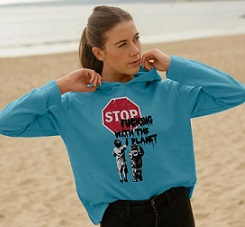
Stop F*cking With The Planet


Graphic Organic Cotton T-Shirts
Ecofashion - Benefits of OrganicOrganic agriculture protects the health of people and the planet by reducing the overall exposure to toxic chemicals from synthetic pesticides that can end up in the ground, air, water and food supply, and that are associated with health consequences, from asthma to cancer. Because organic agriculture doesn't use toxic and persistent pesticides, choosing organic products is an easy way to help protect yourself.
Non-organic cotton is considered the world’s dirtiest crop. Conventional cotton production uses up to 25 percent of the world’s chemical pesticides, herbicides, and fertilizers.
Here are some reasons why organic cotton production is important to the long-term health of the planet.
Cotton uses approximately 25% of the world's insecticides and more than 10% of the pesticides (including herbicides, insecticides, and defoliants.). (Allan Woodburn) Approximately 10% of all pesticides sold for use in U. S. agriculture were applied to cotton in 1997, the most recent year for which such data is publicly available. (ACPA) Fifty-five million pounds of pesticides were sprayed on the 12.8 million acres of conventional cotton grown in the U.S. in 2003 (4.3 pounds/ acre), ranking cotton third behind corn and soybeans in total amount of pesticides sprayed. (USDA) Over 2.03 billion pounds of synthetic fertilizers were applied to conventional cotton in 2000 (142 pounds/acre), making cotton the fourth most heavily fertilized crop behind corn, winter wheat, and soybeans. (USDA) The Environmental Protection Agency considers seven of the top 15 pesticides used on cotton in 2000 in the United States as "possible," "likely," "probable," or "known" human carcinogens (acephate, dichloropropene, diuron, fluometuron, pendimethalin, tribufos, and trifluralin). (EPA) In 1999, a work crew re-entered a cotton field about five hours after it was treated with tribufos and sodium chlorate (re-entry should have been prohibited for 24 hours). Seven workers subsequently sought medical treatment and five have had ongoing health problems. (California DPR) Sources: OTA's " U.S. Organic Production & Marketing Trends" report.
It takes 1/3 lb. of pesticides and fertilizers to produce enough cotton to make just one t-shirt.
Organically grown cotton uses beneficial insects and biological and cultural practices to control pests and build strong soil.
Hemp, bamboo and even recycled soda pop bottles are also being made into t-shirts, pants, skirts, blouses, and dresses.
Each year, non-organic cotton producers around the world use nearly $2.6 billion worth of pesticides. Problems linked to pesticide use include: reduced soil fertility, frequent water pollution, reduced biodiversity in the surrounding areas and wild animal and livestock poisoning. Source: Pesticide Action Network North America (PANNA)
Phone: 845-679-2490
Email: info@ecomall.com

Updated Daily!