FOODS
Organic Tomato


    ALIVE AND AWARE NATURAL HEALTH Large Selection of Raw Organic Vegan Foods and Superfoods. Healthy and Delicious!
    AMAZON HERBS FOR LIFE Amazon Herb Formulas, Wellness Packs, Immune, Stress Relief, Cleanse, Detox, Digestion, Energy, Rejuvenation, Recovery, Antioxidants
    ANNIE'S HOMEGROWN All-Natural and Organic Macaroni & Cheese Made with Real Cheese and 100% Durum Semolina Pasta, Yummy!
    BIOSPHERE INDUSTRIES Biodegradable & Compostable Rigid Packaging Made from Starch and Other Yearly Renewable Raw Materials
    EARTH IN COMMON Coconut Cream, Blue Ice Cod Liver Oil, Brittany Sea Salt, Grainfield's Probiotic Liquids, IBS
    EDIBLENATURE.COM All Natural and Certified Organic Foods for Your Health at Discount Prices
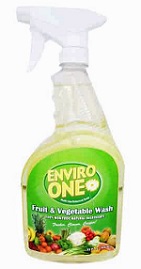
    ENVIRONNÉ Fruit and Vegetable Wash Leaves Produce Pesticide and Contaminant Free
    ETS ENERGY STORE Organic Coffee, Wines and Chocolate Drinks
    FIDDLER'S GREEN FARM Organic Stone Ground Cereals, Pancake & Baking Mixes, Jams, Syrups, Gifts
    FOREVERGREEN Marine Phytoplankton - Nature’s Most Complete Super-Food Now Available to Mankind
    FRESH FRUIT BASKETS Wow Someone with Our Award Winning Organic Fruit Baskets and Organic Fruit Clubs
    GARLIC JUICE SPRAY Garlic Juice Spray or Pour - Cold Pressed and Fire Roasted
    GLOBAL EXCHANGE FAIR TRADE STORE Fair Trade, Organic Coffee, Tea & Chocolate, and Gourmet Gift Baskets
    GLOBAL HEMP Offers Organic Hemp Foods such as Hemp Oil, Shelled Hempseed, Protein Powder, and Hemp Shakes from Nutiva, Hemp Milk, and Snacks
    GOGREENGIFT GoGreenGift Includes Organic Fruit Leather, Cookies, Coffee, Tea, Where and Why to Find Locally Grown Organic Foods
    GREEN TEA LOVERS We Specialize in Maximizing Green Tea Taste & Health Benefits. White Tea, Rooibos, Organic Also Sold.
    HEALTHY KITCHENWARE We Offer Containers Made Out of Materials that Do Not Leach Chemicals Onto Food
    HEMPUSA 50% Hemp Protein Powder, Hemp Seeds, Hemp Oil, Hemp Coffee
    IONLIFE Low Speed Juicers for Health and Vitality
    KATE'S CARING GIFTS People and Earth Friendly Gifts. Organic Treats and Other Yummi Gifts.
    LAPTOP LUNCHES Pack Nutritious, Waste-Free Meals with Our Stylish Reusable Containers and Accessories
    MAHARISHI AYURVEDA Herbal Teas, Rose Petal and Ginger Preserve, Chutneys, Coffee Substitute
    MAIL ORDER CATALOG FOR HEALTHY EATING Soy-Based Meat, Dairy & Egg Substitutes, Vegetarian Cookbooks
    MONTEREY BAY SPICE COMPANY Providing Bulk Herbs, Bulk Spices, Bulk Herbal Teas. We Do Custom Tea Blending and Packaging.
    NATURE'S GIFTS AND MORE Give Your Green Wedding Guests Foods, Favors, and Coffees that are Natural and Organic
    NEWMAN'S OWN ORGANICS All of Our After-Tax Profits are Donated to Charity
    O-CHA.COM GREEN TEA Japan Based O-Cha.com Ships Fresh Japanese Green Tea and Organic Matcha Directly to Customers Worldwide
    ORGANIC STYLE Fruits, Baked Goods, Wines, Chocolates and Gift Ideas from Earth-Conscience Growers and Artisans
    ROCK CREEK ORGANICS Delivers Certified Organic Nuts, Flour and Spreadables to Your Door
    SOLAY WELLNESS Himalayan Edible Salt with 84 Essential Minerals. Unrefined and Delicious Natural Salt.
    STONEHILL MANOR ORGANIC COFFEE Roasted Daily in Small Batches, Premium Quality Low Cost. Buy 2 Pounds Get 1 Free.
    STRAIGHT FROM THE GARDEN Healthy Foods, Supplements, Snacks and Just Plain Delicious Foods
    THE ORGANIC WINE COMPANY Top Quality French Organically Grown Wines. Check Our Free Shipping Specials.
    THE VEGETARIAN SITE Affordable Fruit and Vegetable Juicers
    VEGGIE WASH Healthy, All-Natural Way to Remove Pesticides, Dirt, and Wax from Fruits and Veggies
    WATER IONIZER FOR LIFE Use Ionized Water to Cook Your Food Without Damaging It or Losing Valuable Nutrients. Learn More...


    "I have always eaten animal flesh with a somewhat guilty conscience. So I am living without fats, without meat, without fish, but am feeling quite well this way. It always seems to me that man was not born to be a carnivore." -Albert Einstein

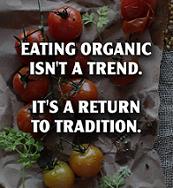
    Organic foods last longer, taste better, are more wholesome, and are better for the environment.

    The 12 Most Toxic Fruits and Vegetables

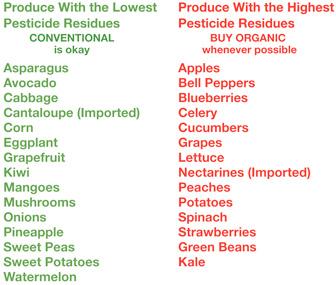
    Known as the Dirty Dozen, conventionally grown peaches, apples, sweet bell peppers, celery, nectarines, strawberries, cherries, pears, imported grapes, spinach, lettuce and potatoes contain the highest levels of pesticides, according to the Environmental Work Group (EWG), a nonprofit research organization in Washington, D.C.

    Up to 20 different pesticides are used in the traditional production of the Dirty Dozen and contrary to popular belief, simply washing or peeling your fruits and vegetables doesnt guarantee elimination. The pesticides used are often absorbed into the plants which allows them to bind to the fruits and vegetables, making it impossible to eliminate their presence.

    The chemicals within these pesticides are reported to disrupt your immune system, nervous system, reproductive system and hormonal system.

    Consumers who switch to organic versions of these foods could cut their pesticide exposure by almost 90 percent, according to EWG. It analyzed nearly 43,000 tests conducted by the Department of Agriculture and the Food and Drug Administration between 2000 and 2004.


Tips, Ideas and Nutrition Information for Healthful and Sustainable Living


Questions and Answers About Vegetarianism


Eating Organic Decreases Pesticide Levels in Kids

A recent study by Environmental Health Perspectives (March, 2003) found that children who ate primarily organic produce and juice had one-sixth the level of pesticide byproducts in their urine compared with children who ate non-organic food. The study compared children who ate produce and juice that was at least 75% organic with kids eating at least 75% non-organic.

Source: National Library of Medicine


Most in US Would Shun Labeled Biotech Foods - Poll

USA: July 16, 2003

WASHINGTON - More than half of American adults surveyed said they would be less likely to buy a food product at the grocery store if it carried a label saying it contained gene-altered ingredients, according to an ABC News poll released yesterday.

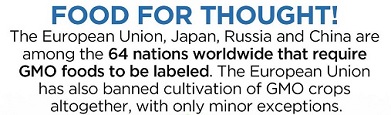
The survey of 1,024 adults also found that 92 percentsaid the federal government should require labels on biotechfoods. U.S. food makers and the Bush administration oppose special labels on genetically modified foods, contending

they meet the same safety and nutrition standards as conventional foods. However, the European Parliament earlier this month passed laws to require labels on biotech foods, reflecting the concerns of many Europeans about long-term health and environmental impacts.

The ABC News poll said that 55 percent of Americans surveyed said they would avoid foods carrying a biotech label. However, that survey response rose to 62 percent among women, who do most of the food shopping for U.S. families.


The sale of organic foods and beverages climbed to $11 billion in 2002, according to a new report by the U.S. Market for Organic Foods and Beverages. This means the annual sales of organic foods grew 1000 percent between 1990 and 2002.

Globally the Organic Food market in 2001 was estimated at $26 billion and is expected to reach $80 billions by 2008.


Support organic farming! Buy products made without pesticides, herbicides, artificial preservatives, or genetic engineering.


PESTICIDES IN CHILDREN
A study from the University of Washington reports that school children eating conventionally grown fruits and vegetables are more likely to exceed EPA safety thresholds for organophosphate pesticides than children eating organic produce. Organophosphate metabolites inchildren eating conventionally grown foods were nine times higher than in children eating organic foods. Professor Richard Fenske,research scientist Cynthia Curl and graduate student Kai Elgethun note that consumption of organic produce represents a relatively simplemeans for parents to reduce their children's pesticide exposure. (PCC Sound Consumer, February, 2003.)

meat free!!!

VEGETARIAN RESTAURANTS DIRECTORY

If you know of any great restaurants we're missing, please e-mail us for a free listing.


    Organic food makes sense for healthy living and a cleaner and safer environment!


    In a review of more than 100 research studies from around the world, the Physicians' Committee for Responsible Medicine found evidence that the vegetarians studied had 57 percent less heart disease, 40 percent less cancer, and 50 percent less high blood pressure than meat eaters.


    "Genetically modified food is viewed as unsafe by most [Americans], and the public wants warning labels on food, a new ABCNEWS.com poll finds. 52% believe such foods are unsafe, and an additional 13% are unsure about them. 93% say the federal government should require labels on food saying whether it's been genetically modified . 57% also say they'd be lesslikely to buy foods labeled as genetically modified. The image problem of genetically modified food is underscored by contrast to organic foods.While only five percent of Americans say they'd be more likely to buy a food labeled as genetically modified, 52 percent say they'd be more likely to buy food that's labeled as having been raised organically."


    The government agrees, it makes sense to eat organic foods to avoid certain chemicals. The Office of Children's Health Protection at the Environmental Protection Agency declares that "children are at greater risk of pesticide exposure than most adults," and goes on to warn that "pesticides may cause a range of harmful health effects," including cancer and injury to the nervous system, lungs and immune system.


    "Organic farming became one of the fastest growing segments of U.S. agriculture during the 1990's, and producers, exporters, and retailers are still struggling to meet consumer demand for a wide range of organic products," the USDA said in the April issue of its "Agricultural Outlook" magazine.


    Vegan foods with Highest Toxic Pesticide Residues

    1. Fresh Peaches
    2. Winter Squash
    3. Apples
    4. Pears
    5. Fresh Spinach
    6. Green Beans
    7. Grapes
    8. Celery
    9. Lettuce
    10. Soybeans
    11. Potatoes
    12. Tomatoes
    13. Carrots
    14. Oranges

    Note: Insufficient data for berries - Consumers Union


    New Study Finds Organic Is Healthier

    We've all suspected it. Now, a growing body of scientificevidence is indicating that organic food is healthier thanconventional produce. Researchers from the University ofCopenhagen recently reported that organically grown producehas higher levels of nutrients when compared withconventional produce.

    Specifically, the organic crops had a higher concentration of vitamins and far more secondary metabolites, which arenaturally occurring compounds that help immunize plants fromexternal attack. Some of these metabolites are thought tolower the risk of cancer and heart disease in humans.

    www.peta.com People for the Ethical Treatment of Animals
    www.pcrm.org Physician's Committee for Responsible Medicine
    www.veganmd.org Dr. Michael Greger
    www.veganoutreach.org Vegan Outreach
    www.themeatrix.com The Meatrix film
    www.animalacres.org Animal Acres sanctuary
    www.farmsanctuary.org Farm Sanctuary
    www.elephants.com Elephant Sanctuary
    www.navs.org National Anti-Vivisection Society


    Got Milk?  
    A peer-reviewed medical study, in the International Journal of Health Services, suggests that the genetically engineered bovine growth hormone, rBGH, commonly administered to dairy cows to boost milk production, may promote cancer of the breast and colon. This product has been in widespread use on dairy farms in the U.S., and consumers have been drinking milk from these cows - largely unknowingly - for several years. In addition to the cancer risk, injecting rBGH reduces a cows life expectancy and increases her risk of disease, leading to increased use of anti-biotic injections, thus leaving residues of these drugs in the milk. The milk produced by the sick cows is less healthful because mastisis results in increased secretion of white blood cells, or 'pus', into the milk.


    "According to a recent survey, 60 percent of Americans are interested in buying organic products, which in their eyes are better for the environment and also healthier because they are not made with synthetic substances."
    - New York Times


    Conserving Seafood and Oceans

    Q: How can you help reduce the over-exploitation of fish?

    A: Get the facts and learn if something is fishy.

    The crisis in the world's oceans is staggering -- 70 percent of the most valuable marine fisheries are either over-fished or fished to the limit. This exploitation is fueled by more than $10 billion annually in government subsidies that keep worldwide fishing capacity at more than twice the level that is biologically sustainable. Marine ecosystems are under further stress from destructive practices, such as cyanide and dynamite-fishing, and from "bycatch" of non-target species that claims as much as 29 million tons of fish, seabirds, turtles, and marine mammals every year.

    Here are 4 steps you can take to reduce the impact on marine ecosystems and species:

    • Be an informed consumer of fish and other seafood. Ask where the fish you are purchasing comes from and the status of the fishery.

    • Do not purchase Chilean sea bass. Both Patagonia and Antarctic tooth fish are marketed as sea bass. Illegal fishing will result in commercial extinction of these fish in the Southern Ocean within two or three years.

    • Avoid purchasing over-exploited stocks such as Atlantic swordfish, wild-caught Atlantic salmon, and sharks. These fish take a long time to reach breeding age, so their stocks have been depleted quite rapidly. By not buying them, you can give their numbers a chance to recover in the wild.

    • Avoid products from fisheries with excessive levels of bycatch. Animals like shrimp (wild and farm raised), scallops (wild) and oysters (wild) tend to have large amounts of bycatch associated with them, so they should be avoided if possible.


Table of 43 fruits and vegetables that were tested by the Environmental Working Group for pesticide residue. The foods are ranked from worst to best (descending) and the chart will tell you what percentage of that particular fruit/vegetable had pesticides on it and how many pesticides could be detected on each fruit/vegetable. For example, peaches were the worst. 96.6% of peaches had pesticides on them. 86.6% of the peaches had 2 or more different pesticides on them. It's pretty scary stuff. Makes some foods seem a little less, um, peachy...


Rank (worst to best)

Commodity

Combined Score

Percentage of Samples Tested with Detectable Pesticides

Percentage of Samples With Two or More Pesticides

Average Number of Pesticides Found on a Sample

Average Amount (in ppm*) of All Pesticides Found

Maximum Number of Pesticides Found on a Single Sample

Number of Pesticides Found on the Commodity in Total

1Peaches10096.6%86.6%3.11.134942
2Apples9693.6%82.3%2.80.894950
3Sweet Bell Peppers8681.5%62.2%2.40.1381164
4Celery8594.1%79.8%3.00.413930
5Nectarines8497.3%85.3%3.00.576726
6Strawberries8392.3%69.2%2.30.799838
7Cherries7591.4%75.8%2.80.290725
8Lettuce6968.2%44.2%1.70.142957
9Grapes - Imported6884.2%53.2%1.80.284837
10Pears6586.2%45.7%1.60.586633
11Spinach6070.0%31.2%1.11.240624
12Potatoes5881.0%18.0%1.01.655418
13Carrots5781.7%48.3%1.60.046631
14Green Beans5567.6%42.0%1.40.199635
15Hot Peppers5355.0%27.5%1.00.290651
16Cucumbers5272.5%31.7%1.20.057640
17Raspberries4747.9%23.3%0.90.906621
18Plums4674.0%27.1%1.10.666415
19Oranges4685.1%34.6%1.30.100418
20Grapes - Domestic4660.5%23.4%0.90.104731
21Cauliflower3984.6%14.6%1.00.004515
22Tangerines3866.7%33.3%1.20.37534
23Mushrooms3760.2%22.3%0.90.158516
24Cantaloupe3453.3%19.4%0.80.026425
25Lemon3155.6%10.0%0.70.188510
26Honeydew Melon3159.2%14.2%0.80.012416
27Grapefruit3162.9%15.2%0.80.05649
28Winter Squash3141.3%11.6%0.60.017526
29Tomatoes3046.9%13.5%0.60.029516
30Sweet Potatoes3058.4%10.0%0.70.198317
31Watermelons2538.5%13.2%0.60.021413
32Blueberries2427.5%10.0%0.40.327411
33Papaya2123.5%5.0%0.30.053419
34Eggplant1923.4%6.9%0.30.013415
35Broccoli1828.1%3.2%0.30.004319
36Cabbage1717.9%4.8%0.20.121318
37Bananas1641.7%2.0%0.40.02927
38Kiwi1415.3%3.4%0.20.16038
40Asparagus116.7%0.6%0.10.026219
41Sweet Peas - Frozen1122.9%2.3%0.30.01025
42Mango97.1%0.5%0.10.057213
43Pineapples77.7%0.6%0.10.00227
44Sweet Corn - Frozen23.8%0.0%0.00.00513
45Avocado11.4%0.0%0.00.00112
46Onions10.2%0.0%0.00.00012

Note: We ranked a total of 42 different fruits and vegetables but grapes are listed twice because we looked at both domestic and imported samples.

* ppm means parts per million


Shop by Keywords Above or by Categories Below.

AIR PURIFICATION AROMATHERAPY BABIES
BEDDING BIRDING BODY CARE
BOOKS BUSINESS OPPORTUNITIES BUSINESS-TO-BUSINESS
CAMPING CATALOGUES CLASSIFIEDS
CLEANING PRODUCTS CLOTHING COMPUTER PRODUCTS
CONSTRUCTION CONSULTANTS CRAFTS
ECO KIDS ECO TRAVEL EDUCATION
ENERGY CONSERVATION ENERGY EFFICIENT HOMES ENGINEERING
FITNESS-YOGA FLOWERS FOODS
FOOTWEAR FURNITURE GARDEN
GIFTS HARDWARE HEMP
HERBS HOUSEHOLD INDUSTRY
INVESTMENTS JEWELRY LIGHTING
MAGAZINES MUSIC NATURAL HEALTH
NATURAL PEST CONTROL NEW AGE OFFICE
OUTDOORS PAPER PETS
PROMOTIONAL RESOURCES RECYCLED SAFE ENVIRONMENTS
SEEKING CAPITAL SHELTERS SOLAR-WIND
TOYS TRANSPORTATION VIDEOS
VITAMINS WATER WEATHER
WHOLESALE WOOD HOW TO ADVERTISE

 Green Living Magazine
Updated Daily!

* * * IN-HOUSE RESOURCES * * *
WHAT'S NEW ACTIVISM ALERTS DAILY ECO NEWS
LOCAL RESOURCES DATABASE ASK THE EXPERTS ECO CHAT
ECO FORUMS ARTICLES ECO QUOTES
INTERVIEWS & SPEECHES NON-PROFIT GROUPS ECO LINKS
KIDS LINKS RENEWABLE ENERGY GOVERNMENT/EDUCATION
VEGGIE RESTAURANTS ECO AUDIO/VIDEO EVENTS
COMMUNICATIONS WHAT PEOPLE ARE SAYING ACCOLADES
AWARDS E-MAIL MAILING LIST


EcoMall