ALTERNATIVE ENERGY STORE Discount Retailer for Solar & Wind Power Products for Home Construction
AND SERVICES
Energy Efficient HVAC Systems - Replace your HVAC System with a Modern System to Save Energy.
CANARSEE Use Less Energy for Heating, Plumbing, and HVAC Needs with Energy Efficient Pumps, Thermostats, Water Heaters.
ECO WOOD TREATMENT Non-Toxic, Wood Stain Treatment and Preservative, VOC Free, Turns all Wood a High End Aged Look, No Maintenance
GREATMATS Recycled Rubber Flooring for Gyms, Rubber Tiles for Decks and Patios, or Rubber Playground Surfacing
INPLANT
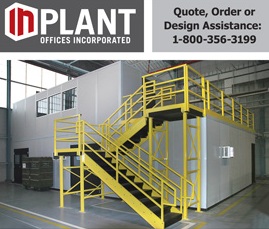
In-Plant Offices, Buildings, Wall Systems, Booths. Modular Construction Allows for Building Inspectors During the Install Process.
PORTAFAB CORPORATION Modular Building Manufacturer Featuring Energy Efficient, Re-Usable and Re-Locatable Structures that are Inherently Green.
REM AIR CONDITIONING
Install an Energy Efficient Air Conditioning and Heating System in Your Home
SATIC SHIELD Protect Your Home & Family From Electromagnetic Radiation. The Clean Power Paradigm; Through Phase Correction Satic Improves Power Factor Saving You Money
ALTERNATIVE ENERGY STORE Discount Retailer for Solar & Wind Power Products for Home Construction
AND SERVICES
Energy Efficient HVAC Systems - Replace your HVAC System with a Modern System to Save Energy.
CANARSEE Use Less Energy for Heating, Plumbing, and HVAC Needs with Energy Efficient Pumps, Thermostats, Water Heaters.
ECO WOOD TREATMENT Non-Toxic, Wood Stain Treatment and Preservative, VOC Free, Turns all Wood a High End Aged Look, No Maintenance
GREATMATS Recycled Rubber Flooring for Gyms, Rubber Tiles for Decks and Patios, or Rubber Playground Surfacing
INPLANT
In-Plant Offices, Buildings, Wall Systems, Booths. Modular Construction Allows for Building Inspectors During the Install Process.
PORTAFAB CORPORATION Modular Building Manufacturer Featuring Energy Efficient, Re-Usable and Re-Locatable Structures that are Inherently Green.
REM AIR CONDITIONING
Install an Energy Efficient Air Conditioning and Heating System in Your Home
SATIC SHIELD Protect Your Home & Family From Electromagnetic Radiation. The Clean Power Paradigm; Through Phase Correction Satic Improves Power Factor Saving You Money

Green buildings are now the preferred choice around the world, with the number doubling every three years, according to the report, "World Green Building Trends 2016
Green roofs, which cover rooftop space with a layer of grasses, shrubs, flowers, and other forms of flora, offer a number of benefits. They create an insulating effect, reducing the amount of energy needed to heat or cool a building depending on the season. They increase local access to green space, which often comes at a premium in urban environments. They retain rainwater, thus decreasing runoff and any related drainage issues. They provide a space for urban wildlife, such as birds, to congregate and even nest, and they reduce air pollution by acting as natural filters.

IN-HOUSE RESOURCES